Standard installations crack under UV intensity. Seals deteriorate faster than manufacturers admit. Your energy bills reveal the truth that salespeople won't tell you.
Temperature variance between dawn and midday reaches 28 degrees in Sydney's western suburbs. Traditional framing expands at different rates than the glass itself.
This creates microscopic stress fractures. They're invisible at first. Within three summers, you'll see condensation between panes.
We spent four years solving this specific problem. The solution isn't more expensive materials. It's understanding thermal coefficient matching at the molecular level.
A client in Darwin complained about interior condensation despite brand-new installations. Every contractor blamed humidity. We brought thermal imaging equipment instead of excuses.
What we found changed everything. Heat wasn't transferring through the glass. It was bypassing the insulation through the frame connection points. Micro-bridges invisible to standard inspection.
That discovery led to a complete redesign of our corner joint system. Now used in every window we manufacture.
Office buildings trust us with facade installations worth millions. Because failure isn't an option when you're 14 floors up.
Every batch undergoes cyclical load testing at 2.5x Australian standard requirements. We publish failure rates. They're lower than the industry believes possible.
Our installation teams are salaried employees. Trained for 11 months before they touch a residential project. This matters more than most realize.
"Previous windows needed replacement after six years. These have been flawless for nine. The temperature difference is measurable with my laser thermometer."— Marcus Chen, Architect, Melbourne
"They explained thermal bridging in ways my previous contractor couldn't. Installation took longer but the attention to sealing details was worth every extra hour."— Rebecca Foster, Homeowner, Brisbane
Indoor temperature variance drops by an average of 3.2 degrees. This translates to documented cooling cost reductions between 18% and 24% across our client base.

Our laminated glass configuration reduces external noise by 34 decibels. Street traffic becomes background murmur. Noticeable from day one.
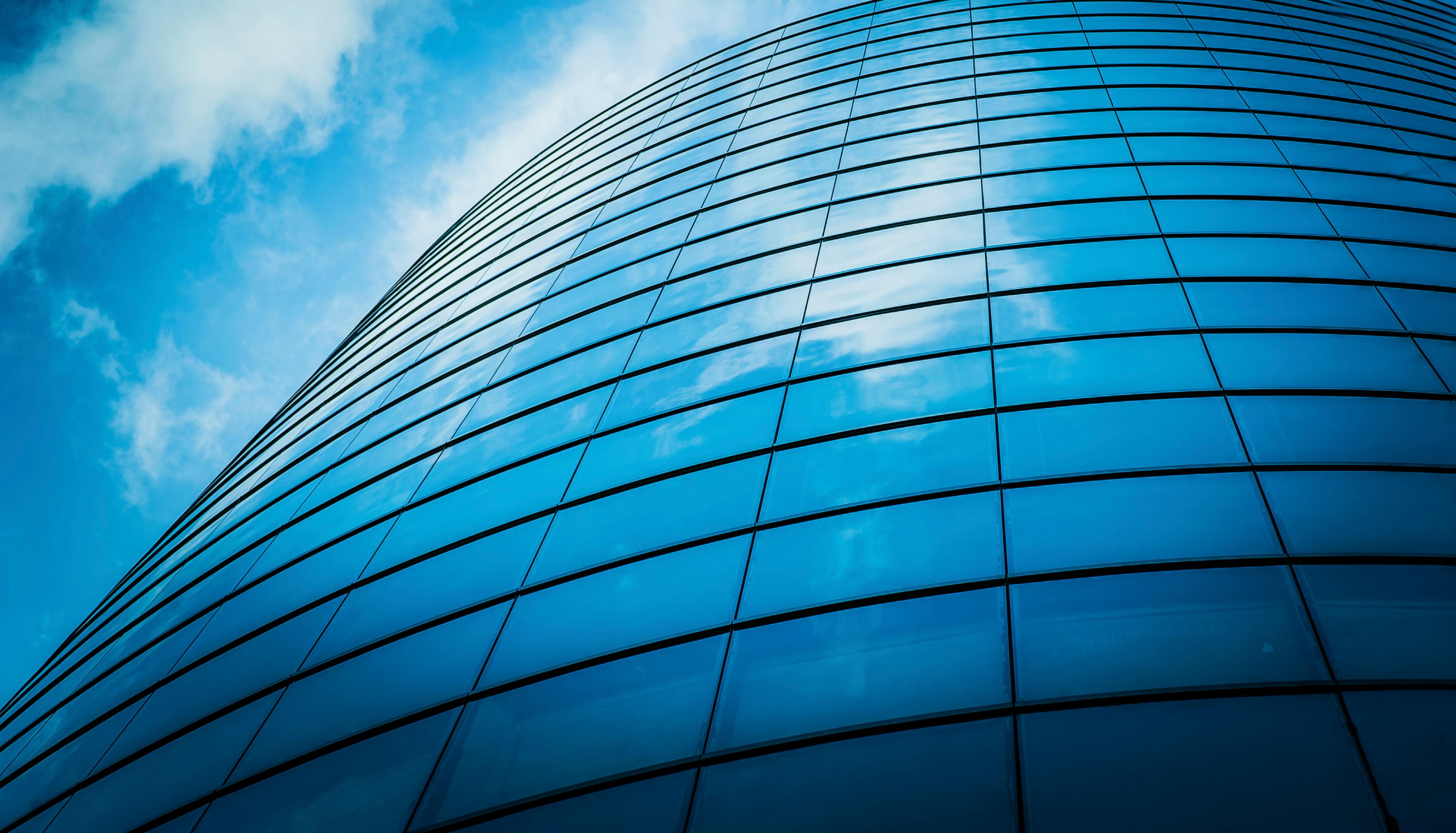
Furniture fading stops. Our selective coating blocks 99.4% of UV while maintaining visible light transmission. Your interiors stay intact.
Each solution is engineered for specific Australian climate challenges. Prices reflect materials that actually last.
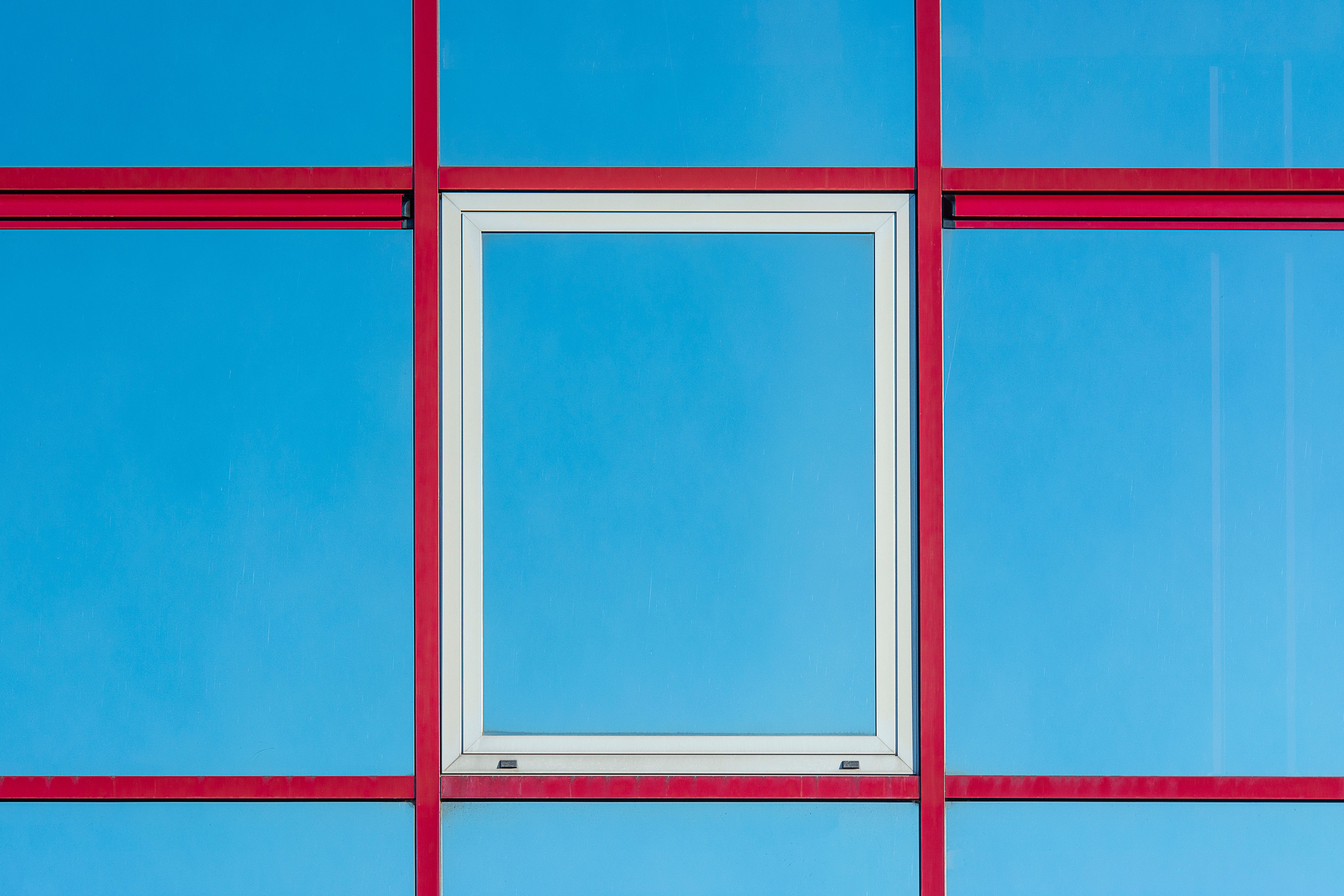
Eliminates thermal bridging through advanced frame isolation. Argon-filled cavity with Low-E coating.
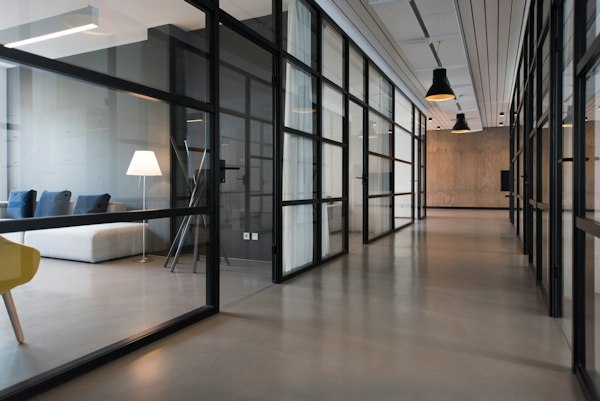
Triple-layer lamination with asymmetric glass thickness. Designed for high-traffic urban environments.

Selective spectral coating that maintains natural light while blocking degradation wavelengths. Museum-grade protection.
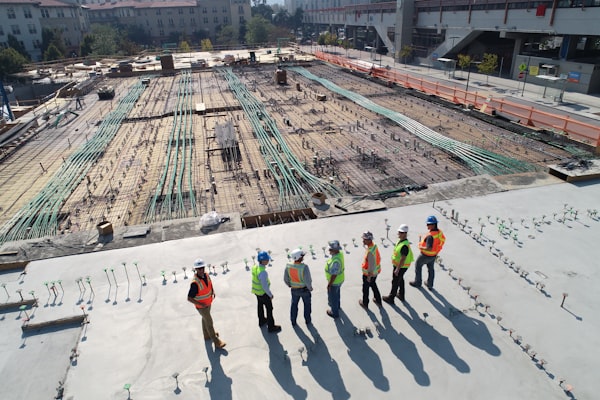
Passes AS 1170.2 Category 5 testing. Interlayer prevents shattering under projectile impact.
Important Notice: Performance data represents average results across documented installations. Individual outcomes may vary based on property orientation, existing structure, and local environmental factors. Information provided is for general guidance and should not replace professional site assessment. We recommend consultation with our technical team before making decisions. Installation specifications must comply with local building codes and regulations.